People from the past really weren’t that different at heart. Yes, they lived in another environment and therefore made choices that we find strange today. But when it comes to the things that really matter in life – love, loss, and how to deal with really obnoxious people – we can look across the gulf of time and think, “Yes, I completely understand.”

Category: Uncategorized
Museum Advocacy Day
Finding Fuel for the Fire in 18th-Century Pennsylvania
It’s Not the Jewish Christmas: An Introduction to Jewish Holidays and Their Observance in North America, Part II
Whose History Are We Bringing to Life?
ALHFAM defines itself as "An Organization of People Who Bring History to Life." But whose history are we bringing to life? Our organization is overwhelming white. Can we truly bring history to life, all of it not just the pretty parts, when our membership and the living history field is a mass of shinny white faces?
Test Your Knowledge of U.S. Women’s Suffrage
Reclaiming the Dream
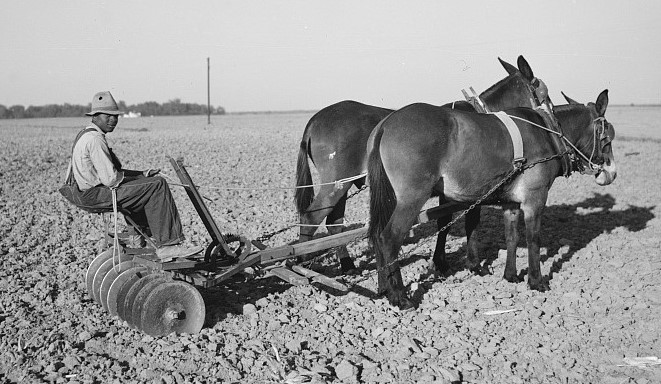
Hidden in the stories of African American involvement in agriculture are the truths that African Americans struggled, sometimes at the cost of their lives, to obtain land and to become productive citizens by cultivating it. In addition, African Americans were involved in the creation of educational institutions and business organizations dedicated to the self-help and economic and spiritual improvement of Black farmers and their families in the South.
Moving Forward
When I wrote the first draft of this blog entry back in February, it was supposed to be a look back at my first six months as the new director of the Cherokee Strip Regional Heritage Center. It was supposed to be me reflecting on how my role in the industry had changed. It was… Continue reading Moving Forward
Sharing the Granary
Resources for Interpreting Slavery
The enslavement of Africans in the Western Hemisphere was the most brutal form of slavery known to mankind. It dehumanized victims; it classified them as less than human beings. The victims had no claim to their families, their culture tradition or humanity. They were considered chattel property. Basically, they had "no rights that whites were… Continue reading Resources for Interpreting Slavery